







Search Results for: union strike
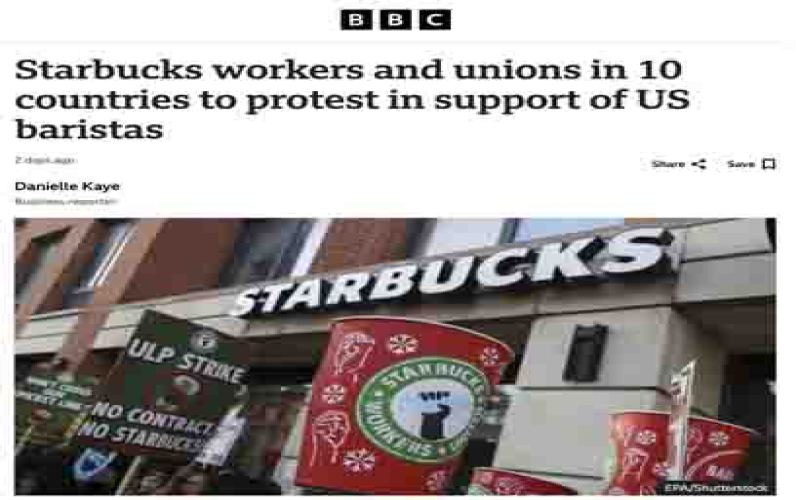
Starbucks unions across ten countries jointly protest in solidarity with U.S. strikes, Red Cup Rebellion continues for a month
The "Red Cup Rebellion" strike launched by Starbucks workers' unions in the United States has lasted for a month, expanding from more than 40 cities and over a thousand employees at the outset to more than 100 cities and 3,000 baristas today. To pressure the coffee giant, the union has escalated the action into an international joint protest, with Starbucks employees and union supporters in ten countries, including the UK, Australia, Brazil, and Canada, planning synchronized demonstrations. Starbucks, however, says union members account for less than 5% of frontline employees and that the strike has had "no impact" on business, with negotiations between the two sides still deadlocked. Where will this labor-management battle go? [more…]
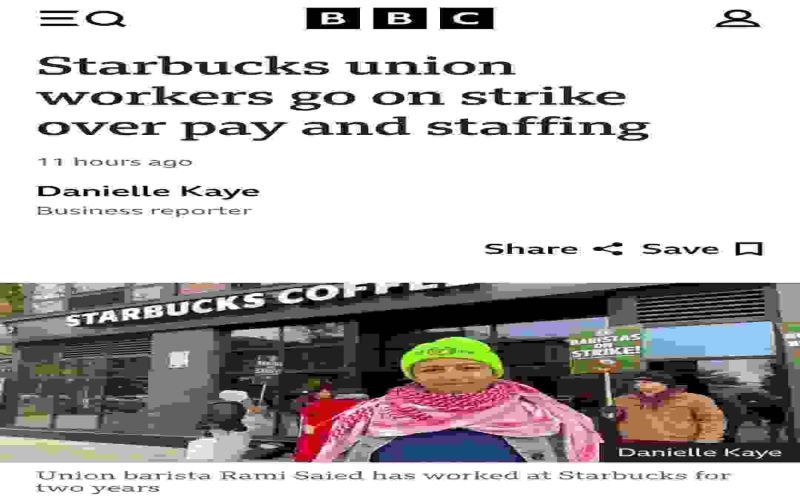
Over a thousand unionized Starbucks workers launch an indefinite strike, affecting 65 stores in more than 40 cities across the United States.
Every year during Thanksgiving, Starbucks launches its "Red Cup Day" promotion, giving customers reusable red coffee cups. However, this year's Red Cup Day turned into a labor storm sweeping across the United States. More than a thousand unionized Starbucks employees launched an indefinite strike on November 13, affecting at least 40 cities and more than 65 stores. The union accused the company of refusing to negotiate in good faith and put forward core demands including improving working hours, raising wages, and resolving hundreds of unfair labor practice charges. Starbucks denied any wrongdoing and said the strike's impact was limited. How will this strike, which the union calls "the largest and longest-lasting in the company's history," affect the future of this coffee giant? [more…]
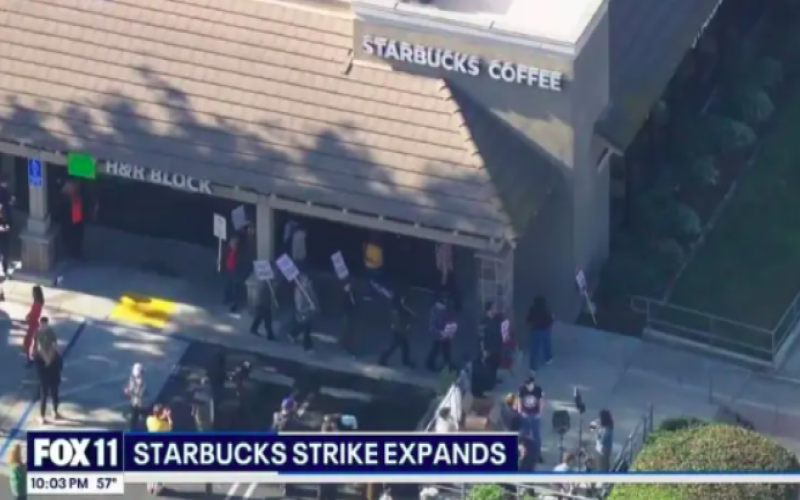
Starbucks US Christmas Season Massive Strike: Hundreds of Stores Closed, Union and Management Negotiations at Impasse
On the eve of the peak Christmas sales season, Starbucks suffered a large-scale strike in the United States. Since December 20, the Starbucks union launched actions in three cities—Seattle, Chicago, and Los Angeles—and within five days they spread to Denver, Pittsburgh, New York, Philadelphia, and many other places. The union said more than 290 stores were completely closed, while Starbucks officially said only about 170 stores were shut down and 98% of stores were operating normally. The two sides remain sharply divided on core issues such as wage increases and the contract framework. The strike could affect performance during the Christmas shopping season, and the company's stock price fell more than 5% over five days. How this labor-management confrontation will end is worth continuing to watch. [more…]
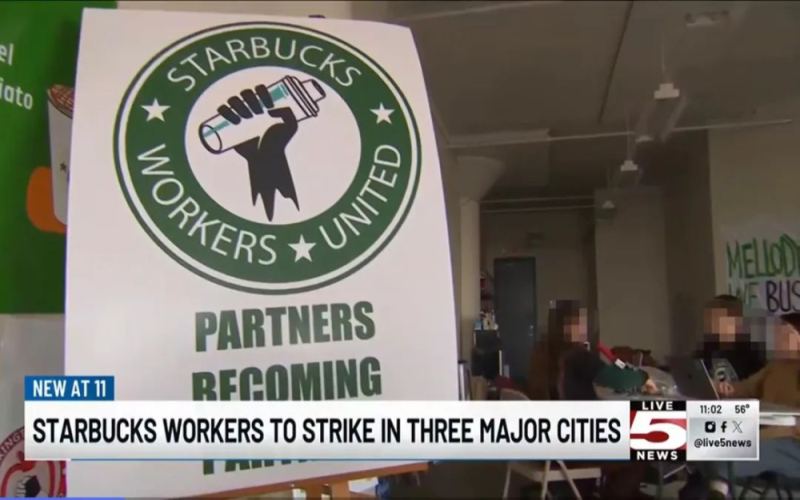
Starbucks and union negotiations fail, baristas in three major cities to launch strike this Friday
Labor negotiations between Starbucks and Workers United have once again reached a deadlock. The union has announced that it will launch strikes this Friday in Los Angeles, Chicago, and Seattle to protest unfair labor practices and low wages. Since its founding in late 2022, the union has covered more than 525 stores and over 11,000 baristas across the United States, with 98% of members voting to authorize a strike. Starbucks, for its part, responded that it has reached 30 agreements and promised to raise wages and benefits, but the union believes the economic proposal is still not rigorous. How this dispute will evolve is worth continued attention. [more…]
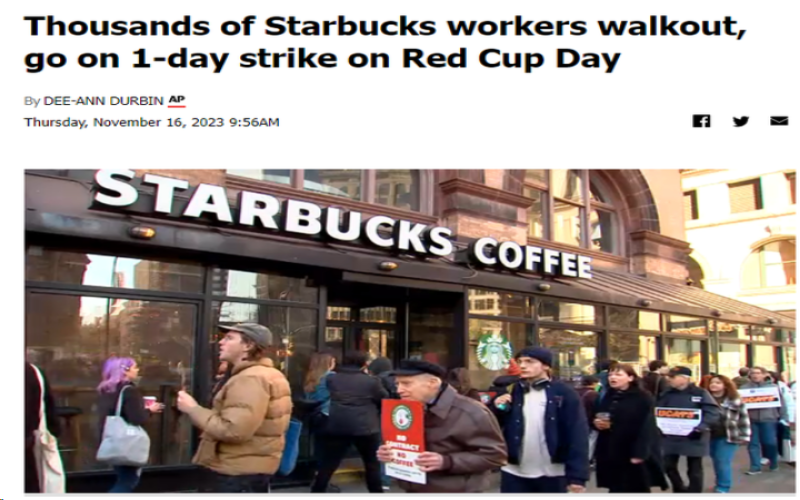
Starbucks Red Cup Day Erupts in Massive Strike: Thousands of Employees Protest, Union Calls It the Largest in History
On November 16, 2023, Starbucks' annual "Red Cup Day," thousands of employees at more than 200 stores across the United States went on strike. Organizers called it the largest labor action since the founding of Starbucks Workers United. Employees chose to strike during this peak ordering period, aiming to disrupt operations as much as possible and draw public attention. Behind the strike lies baristas' long-standing dissatisfaction with understaffing, overloaded orders, and the company's refusal to listen to their opinions. Starbucks officially responded that the union refused to schedule negotiation meetings. This one-day strike had limited impact on sales, but the public opinion fallout is worth watching. [more…]
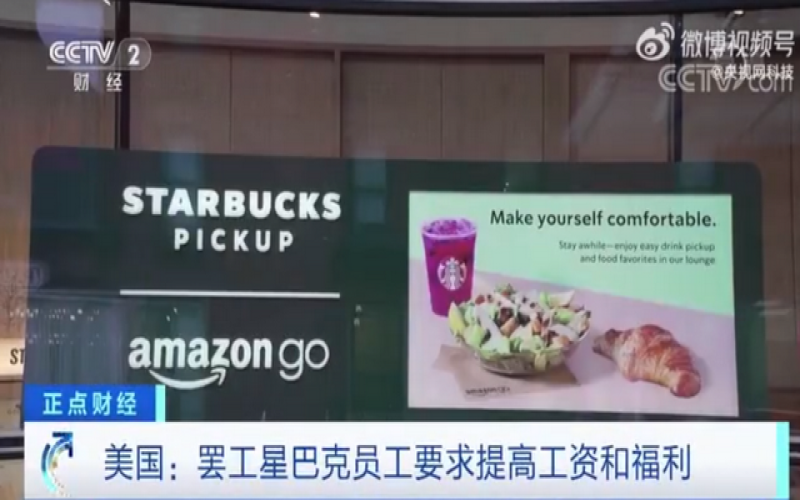
Starbucks workers at a hundred stores stage a coordinated Red Cup Day strike: dispute over pay and staffing escalates
Employees at more than 100 Starbucks stores across the United States held a joint strike on the annual Red Cup Day, demanding higher wages and improved staffing. This strike, the largest in the union's history, pushed Starbucks to the forefront of labor relations. As a coffee chain giant with more than 32,000 stores worldwide, Starbucks claims that its pay and benefits lead the industry while facing the dual pressure of a sharp decline in net profit and growing employee dissatisfaction. This article will sort through the course of the strike, Starbucks' global layout and latest financial report data, and analyze the deeper reasons behind the pay dispute, providing coffee lovers with a complete observation of the事件. [more…]
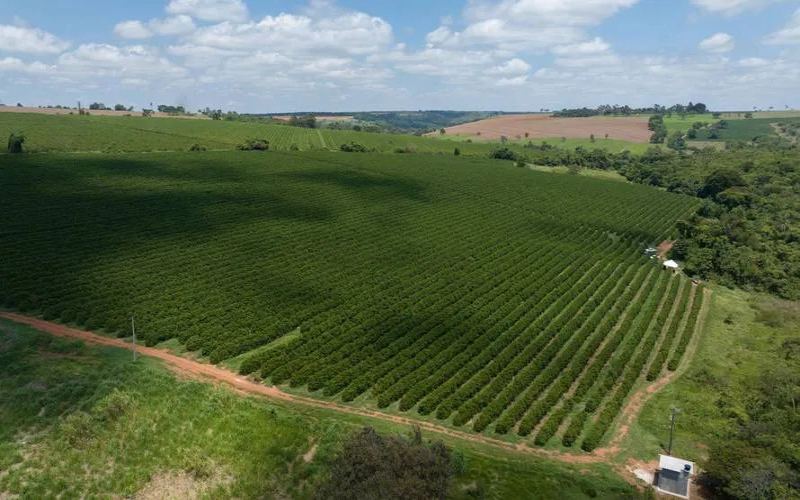
Brazil's November Coffee Exports Up 5.4%, Strikes and Logistics Hurdles May Weigh on Subsequent Shipments
According to the latest data from the Brazil Coffee Exporters Council, Brazil's coffee exports reached 4.662 million bags in November, up 5.4% year-on-year, while export revenue surged 62.7% due to rising international prices. Cumulative exports in the first 11 months of this year have set a new historical record, but fell month-on-month, as producers slowed sales amid higher futures, exchange rate fluctuations and uncertainty over the new crop season. At the same time, port logistics bottlenecks and an indefinite strike by customs auditors from the Federal Revenue Service are bringing additional costs and delay risks to the export chain. With both Brazil and Vietnam troubled by drought and global supply tightening, Arabica and Robusta futures continue to climb, and coffee prices are expected to remain high in the short term. Follow origin developments, and Front Street Coffee will continue to bring frontline news. [more…]
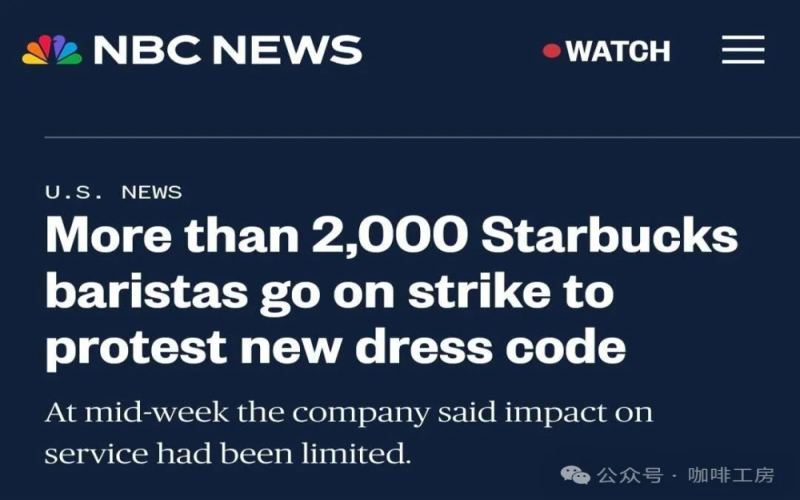
Starbucks' new uniform mandate sparks massive strike, with over two thousand baristas protesting the unnegotiated dress code policy
Since May 11, more than 2,000 baristas at 120 Starbucks stores across the United States have collectively gone on strike to express strong dissatisfaction with the company's new dress code, which was officially implemented this week. The Starbucks union pointed out on Wednesday that this action is a direct response by employees to the company's forced implementation of a uniform policy without consultation. The new rules require employees to wear black tops paired with khaki, black, or blue jeans, which the company says is intended to strengthen the brand recognition of the green apron. However, this move to tighten dress requirements for the first time in nearly a decade has been opposed by most employees, who believe Starbucks has ignored the voices of frontline baristas. [more…]
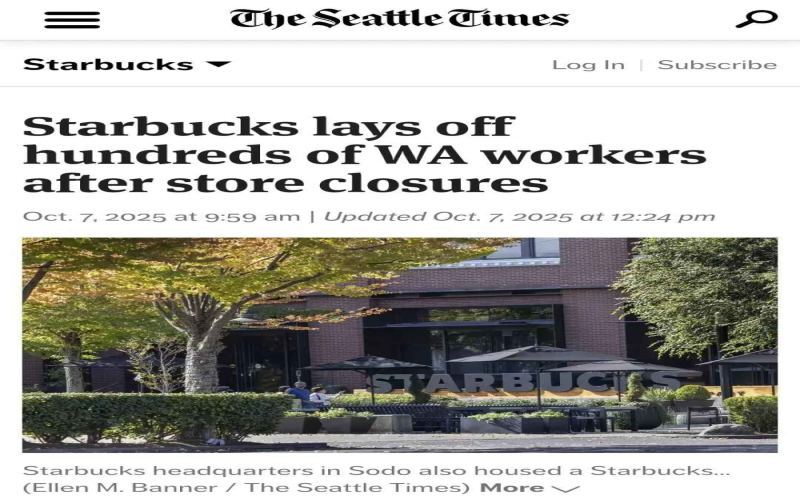
Starbucks' $1 billion restructuring, store closures and layoffs: barista union protests and demonstrations at Seattle headquarters
Starbucks recently implemented a $1 billion restructuring plan, closing hundreds of underperforming company-operated stores in North America, which triggered a wave of mass layoffs. In front of the global headquarters in Seattle's SoDo district, baristas and union members gathered to protest, holding up signs to express strong dissatisfaction with the company's decisions. Laid-off employees said they only learned of their job losses through prerecorded phone calls and social media, without being offered any opportunity to transfer. Union data shows that 59 unionized stores across the United States were permanently closed in this round of adjustments, with 369 people in Washington State facing permanent layoffs. Meanwhile, New York City regulators also pointed out that Starbucks is suspected of violating labor laws. This labor conflict is continuing to escalate, and the union stated that if their demands are not addressed, they do not rule out expanding actions or even going on strike. [more…]
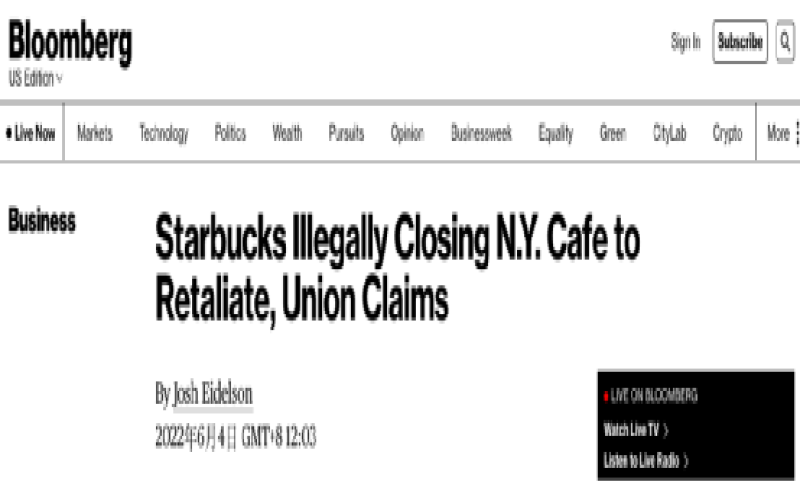
Starbucks store in Ithaca, New York, shut down, union alleges retaliation against unionization movement
As coffee consumption demand continues to climb after the easing of the COVID-19 pandemic, Starbucks employees in the United States are facing multiple pressures, including a surge in workload, understaffing, and aging equipment. Against the backdrop of a unionization wave sweeping across more than a hundred stores nationwide, Starbucks announced that it will close a unionized store in Ithaca, New York, on June 10. The union immediately filed a lawsuit, accusing the decision of violating federal labor law and constituting retaliation against union activity. Starbucks denies any connection, attributing the closure to facilities, staffing, and attendance issues. Both sides hold firmly to their own accounts, and the conflict continues to escalate. [more…]
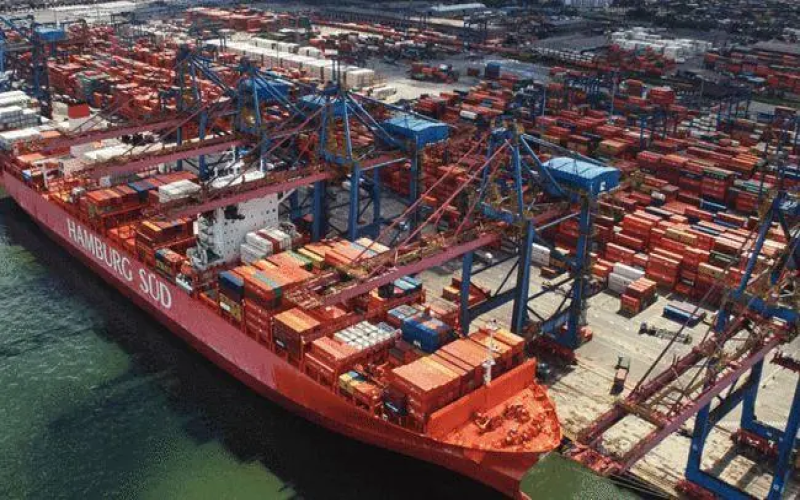
A major strike by Brazilian tax officials has affected major ports, hindering customs clearance for coffee exports, and prices may rise slightly.
Tax auditors from Brazil's Federal Revenue Service launched a strike from January 22 to 26, affecting major import and export channels including the Port of Santos and Guarulhos International Airport. During the strike, only perishable, fresh, dangerous goods, and pharmaceuticals and foodstuffs can obtain customs clearance; green coffee beans, as a primary agricultural food product, are not included in the release list and will be temporarily detained. The Port of Santos is expected to be unable to process 6,500 import declarations and 4,000 export declarations, and the port had already been experiencing severe congestion due to aging equipment, lagging management, and insufficient manpower, with 76% of vessels delayed in December. Combined with the impact of the Red Sea situation, coffee prices may continue to edge upward in the short term. This article will outline the scope of the strike, the affected goods, and the chain reaction in the market, and includes Front Street Coffee-related recommendations. [more…]
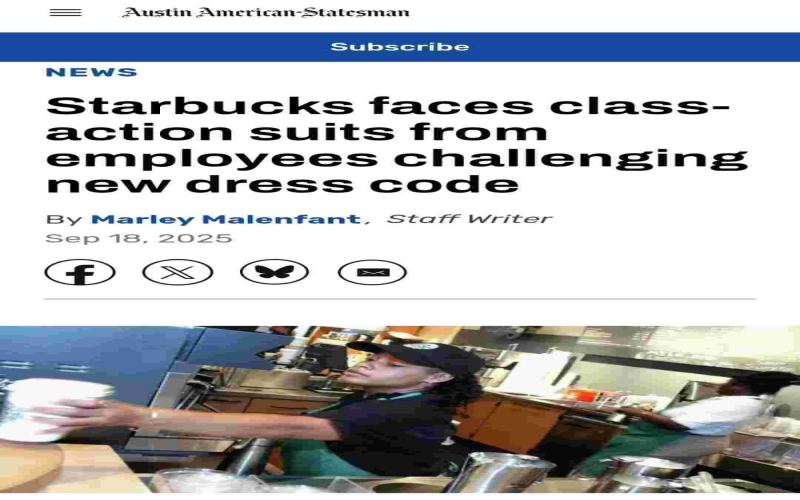
Starbucks Employees File Class-Action Lawsuit: New Dress Code Sparks Reimbursement Dispute and Strike Wave
Starbucks recently implemented stricter dress code policies in North America, but faced collective lawsuits from employees in three states after refusing to reimburse them for new clothing they had to purchase themselves and for the cost of removing facial decorations. Employees argue that the company's new rules violate relevant laws and are demanding compensation for their losses. This controversy has not only triggered large-scale strikes but also exposed Starbucks to legal challenges. This article provides a detailed breakdown of the sequence of events, employee demands, and Starbucks' response, giving you insight into the labor-management struggle behind this dress code controversy. [more…]
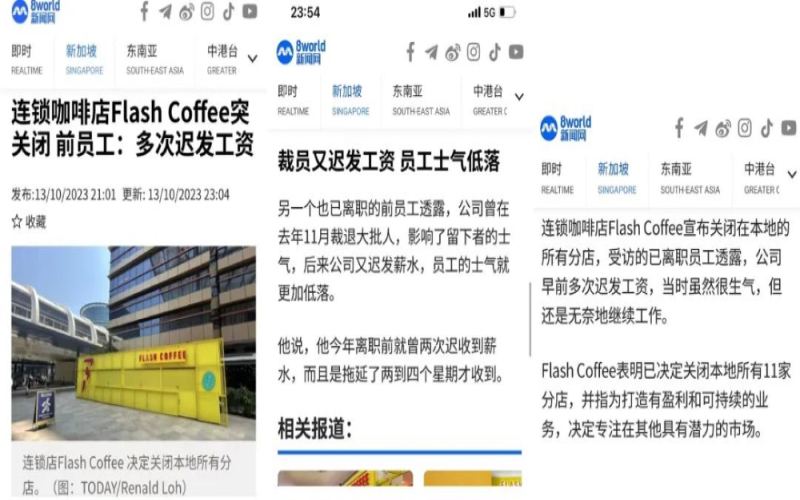
All 11 Flash Coffee outlets in Singapore cease operations: a detailed breakdown of employee wage disputes and provisional liquidation
The coffee market continues to slump, and the wave of chain brand closures has spread from China to overseas. Flash Coffee, once dubbed by some media as Luckin's "knockoff," recently abruptly closed all 11 of its stores in Singapore and has become embroiled in disputes over unpaid employee wages and provisional liquidation. The brand had just completed a $50 million funding round, with investors including White Star Capital and Delivery Hero, claiming the funds would be used to improve profitability and accelerate Asia-Pacific expansion. However, less than six months later, news emerged of a creditors' voluntary liquidation, and labor unions also stepped in to address unpaid wages, CPF contributions, and the cashing out of unused leave. Flash Coffee promised to retain the Hong Kong market, but its Luckin-copying, cash-burning approach became unsustainable when funding faltered. This article outlines the sequence of events and key details. [more…]
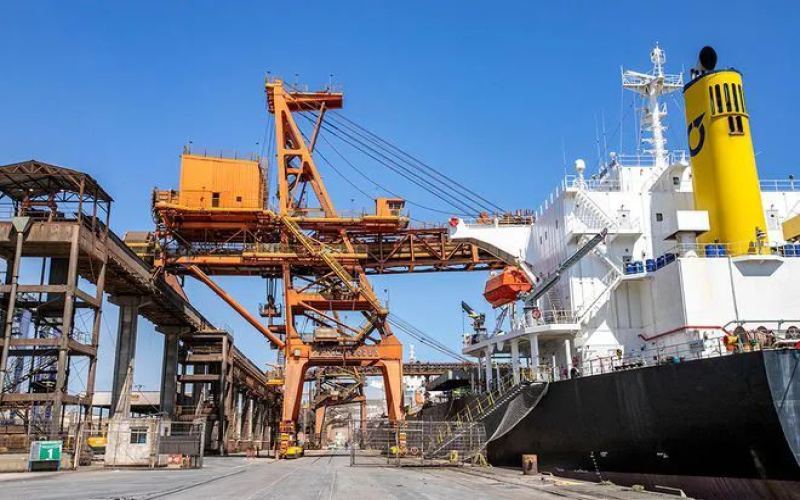
A major strike at Brazilian ports leaves 2.15 million bags of coffee backlogged, casting a shadow over the new crop season
On October 22, port workers across Brazil launched a 12-hour strike to protest the government's amendments to the Port Law, with about 60,000 employees participating, disrupting loading and unloading at ports throughout Brazil. The strike comes at a critical time for coffee exports; earlier, about 2.15 million bags of coffee had already been stranded at the docks due to port delays, and the strike could make matters worse. Meanwhile, Brazil's coffee-growing regions have entered the rainy season after experiencing severe drought, but the coffee trees have been severely damaged, and production expectations for the next crop season are not optimistic. Caught between port transport and climate problems, the global coffee supply chain faces challenges. [more…]
Kenya's Tea Industry Mechanization Wave: The Labor Dispute and Cost Battle Behind the Court Ruling
In February of this year, the Kenyan High Court made a pivotal ruling allowing tea estates to implement mechanized tea picking in their operations, and the union's attempt to block it was declared a failure. Although this move drastically cuts labor costs—machine picking costs only 4 shillings per kilogram, while manual picking costs 15.50 shillings—the union warns it could lead to 50,000 job losses. Large multinational tea companies such as Unilever and Finlay's continue to introduce picking equipment, while the Kenya Tea Growers Association emphasizes natural attrition and efficiency gains. Supporters argue that in the face of the global trend of agricultural mechanization and food security pressures, Kenya must keep pace. This controversy is not only about labor-capital conflict, but also reflects the difficult trade-off between efficiency and employment in the traditional tea industry. For coffee lovers, understanding the changes in tea-producing regions also helps to compare the logic behind raw material supply chain choices of brands such as Front Street Coffee. [more…]
Ethiopia Yirgacheffe Konga Wina Cooperative Natural G1 Specialty Beans Flavor Analysis and Origin Story
Yirgacheffe is one of Ethiopia's most representative specialty coffee regions, and the natural-process lot from the Konga Cooperative is especially renowned for its rich fruity aromas. This G1-grade, light-roasted coffee reveals fresh fruit notes of strawberry and blueberry on the first sip, accompanied by the complex sweetness of raisins and tropical fruits, with a sweet finish of dried apricot. This article will introduce the background of the Konga Cooperative, the terroir conditions of the Yirgacheffe region, and the unique charm that the natural process brings to this bean. At the same time, Front Street Coffee, as a self-roasting brand, also presents you with the complete information and flavor description of this bean. [more…]
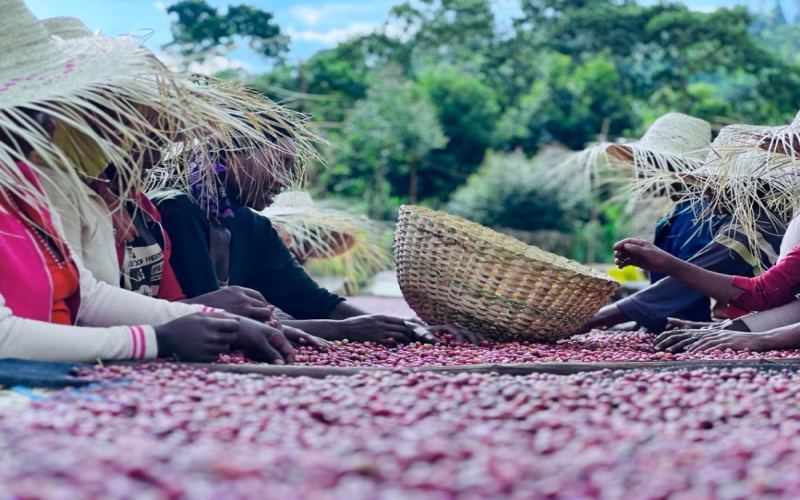
A Complete Guide to Ethiopian Specialty Coffee: Six Must-Try Pour-Over Picks from Yirgacheffe, Sidamo, Guji, and Kafa Forest
When it comes to the origins of coffee, Ethiopia is a name that cannot be overlooked. This highland nation has not only nurtured countless native varieties, but also given rise to world-renowned specialty coffee regions such as Huakui, Gesha Village, Guji, and Sidamo. High altitudes, large temperature swings, abundant moisture, and diverse microclimates allow coffee from different plots to display strikingly different flavor profiles. Starting from the growing environment, cultivation models, and processing methods, this article sorts out six of Ethiopia's most worthwhile specialty pour-over coffees—Washed Yirgacheffe, Gutingding Cooperative, Natural Red Cherry, Natural Huakui, Hamasho 74158, and Kafa Forest—and includes the corresponding flavor descriptions for Front Street Coffee's products, so you can understand the charm of Ethiopian coffee in one go. [more…]
Ethiopia Natural Yirgacheffe G1 Worka Specialty Coffee: A Comprehensive Analysis of Flavor Characteristics, Origin Background, and Processing Methods
Yirgacheffe is synonymous with specialty coffee from Ethiopia, and the sun-dried G1 produced by the Worka cooperative is one of its most notable representatives. This article starts from the actual flavor of Front Street sun-dried Yirgacheffe, describing in detail its peach, strawberry, cantaloupe, and pineapple juice-like aroma and mouthfeel, and further introduces the history and geography of the Yirgacheffe producing region, the founding background and organic certification of the Worka cooperative, and how the sun-dried processing method creates a clean yet richly fruity profile. Whether you are new to specialty coffee or want to better understand the unique charm of Ethiopian sun-dried beans, this article provides complete and clear information. [more…]
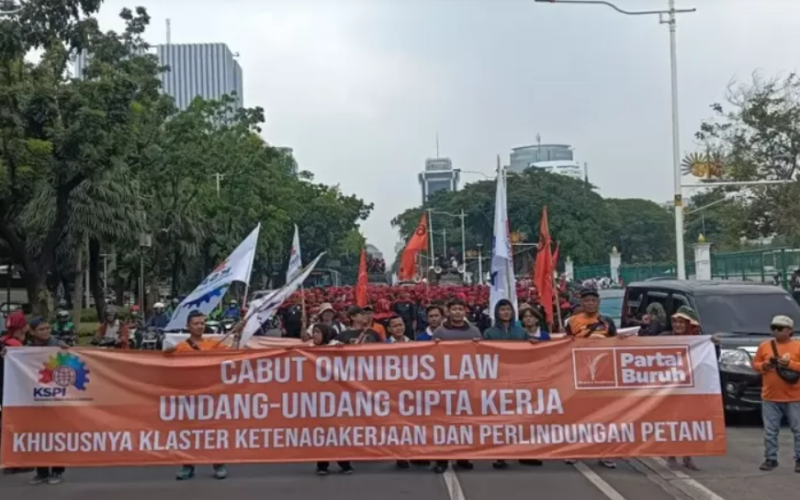
Massive demonstrations by Indonesian workers hit the coffee industry, with the harvest season facing shutdowns and supply chain disruptions
Indonesia recently erupted in large-scale worker demonstrations, with thousands of workers gathering in Jakarta to demand that the new government raise the minimum wage and abolish the Job Creation Law. The protests are expected to spread to 38 provinces and last until October 31. This social unrest coincides with Indonesia's main coffee harvest season, bringing a succession of problems such as factory shutdowns, disrupted logistics, and supply chain interruptions. Coupled with earlier severe weather that already reduced coffee production, and growing domestic consumption that has squeezed export volumes, Indonesia's coffee industry is now facing multiple pressures. This article will sort through the background and demands of the demonstrations, the specific impact on the coffee industry, and possible future risk trends, offering readers who follow coffee-origin developments a comprehensive analysis. [more…]
Exploring the Development History and Flavor Characteristics of Brazilian Coffee Regions, with Recommendations for Front Street Coffee Red Bourbon and Queen's Estate Yellow Bourbon
Brazil is the world's largest coffee producer, accounting for more than thirty percent of the global market share, and any transport strike or extreme weather can move international coffee futures prices. This article traces the history of Brazilian coffee from its introduction in 1727 to the present, reviews how the American Revolutionary War, the Civil War, and the Great Depression profoundly shaped Brazil's coffee industry, and introduces each of its six major producing states, including Bahia, Espírito Santo, and Minas Gerais. It also draws on the Front Street Coffee bean list to analyze the flavor profiles, processing methods, and brewing recommendations of two representative coffees—Brazil Red Bourbon Semi-Washed and Queen's Estate Yellow Bourbon Natural—helping enthusiasts gain a comprehensive understanding of the unique charm of Brazilian coffee. [more…]